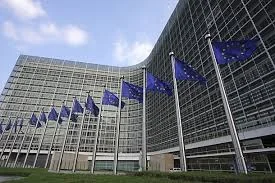
European Leagues are expanding their complaint to the EU, accusing FIFA of abusing its power regarding the women's match calendar and stakeholder engagement.
Background on the FIFA-EU Dynamics
The recent actions taken by European leagues against FIFA aren't happening in a vacuum. For years, FIFA has faced scrutiny over its governance and the way it manages professional football worldwide. This complaint to the European Commission, citing abusive conduct, represents an escalation in that scrutiny. FIFA serves simultaneously as the organizer of football competitions worldwide and as a regulatory body, which critics argue creates an inherent conflict of interest. This dual role has led to accusations of biased decision-making favoring certain stakeholders while sidelining others. With the rapid growth of women's football, the leagues are now voicing concerns more vocally than ever.
Such conflicts are not new in the world of sports governance. However, the specific claims about negligence towards women's professional leagues are particularly salient. Historically, women's football has been underfunded and undervalued, a trend that has only recently begun to change. As women's leagues gain popularity and visibility, the scrutiny on governing bodies like FIFA is intensifying. Stakeholders are now more willing to challenge existing power dynamics and seek meaningful engagement in decision-making processes.
The Accusations: What’s at Stake?
The European leagues have taken the bold step of attaching accusations of abusive conduct to their ongoing complaint. This shift signals that the issues at hand extend beyond simple governance questions to a more profound dissatisfaction with FIFA's treatment of women’s football. By claiming that FIFA has not engaged with women's leagues adequately, they're making a case for fair representation — one tethered to the broader EU competition laws.
What does this mean for FIFA? It could potentially lead to legal repercussions if the European Commission, tasked with upholding fair competition, finds FIFA at fault. This could dismantle parts of FIFA’s authority over scheduling and resource allocation. If you're working in this space, it's essential to track how advocacy groups push for more equitable treatment and what that could mean for women's sports as a whole. The implications could ripple beyond just football, affecting sponsorship, media rights, and grassroots development.
FIFA's Response and Implications
FIFA has already articulated its stance, claiming that it consulted with stakeholders in 2024 over concerns regarding the match calendar. This indicates FIFA is aware of the brewing discontent and is attempting to position itself as open to dialogue. However, such proclamations raise questions. How sincere is FIFA in its commitment to engage various stakeholders? Are these consultations genuinely inclusive, or do they merely serve as a facade to demonstrate compliance with EU regulations?
More than just a legal battle, this situation is a test of power within football governance. As leagues and organizations push back against established systems, we might witness a shift in how decisions are made and who gets consulted. The implications of this are profound. A ruling in favor of the leagues could set a precedent for a more organized and representative approach to governance that could positively impact not just women's football, but international sports governance as a whole.
The Broader Context of Women's Football
The context of this confrontation reflects broader societal changes regarding women's sports. In recent years, we've seen a surge in viewership, sponsorship, and investment in women's football, yet the systemic issues persist. Female athletes are often sidelined in conversations and decision-making processes, which perpetuates a loop of inequity. The European leagues are effectively saying: enough is enough. By elevating this complaint to the level of EU scrutiny, they’re putting considerable pressure on FIFA to rethink its approach.
This isn’t an isolated incident; it's part of a larger trend where women's sports are demanding attention. Similar cases in the past, like those in the United States with the women’s national soccer team, reveal the growing momentum behind wage equality and fair treatment. As leagues in Europe rally around these accusations, they contribute to a larger narrative that challenges institutions to reflect on their practices and policies. The ripple effect could change the way women's leagues operate, not just in Europe but globally.
Future Outlook: The Road Ahead
As this legal battle unfolds, the future seems uncertain. However, stakeholders are clearly taking a more active role in shaping their destiny. The next steps will depend largely on the EU Commission's response. If investigations reveal that FIFA has indeed acted with bias, we might see a reevaluation of football governance structures.
That said, one cannot overlook how resistant longstanding institutions can be to change, especially when they perceive their authority is at risk. The working relationship between FIFA, leagues, and players could enter a new phase — one where negotiations are less about top-down decisions and more about collaborative governance.
What this means is that the outcome of these complaints could reverberate through all levels of football, potentially paving the way for better support for women's leagues and athletes. It may also inspire similar initiatives in other sports, amplifying the call for fairer treatment and equitable opportunities. One thing's for sure: this isn’t just about football. It's about justice in sports.
The post European Leagues Intensify EU Complaint Against FIFA Over Women's Match Calendar appeared first on Inside World Football.
Discussion
Sign in to join the discussion.