Manchester City has unveiled its new Radisson Blu hotel at the Etihad Campus, part of a £300 million initiative to develop a vibrant entertainment district.
Manchester City Takes Ambitious Steps
Manchester City has officially opened the Radisson Blu hotel at the Etihad Campus, marking a significant step in the club's ambitious £300 million plan to transform the area into a year-round commercial and entertainment hub. This isn't just about enhancing the team's facilities; it indicates a strategic approach to generate revenue beyond match days. For a club that has invested heavily in both its squad and infrastructure, this pivot highlights a broader shift in the commercial dynamics of sports clubs, especially those that are now competing on multiple fronts.
Integration with the Campus
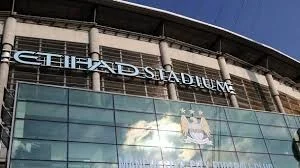
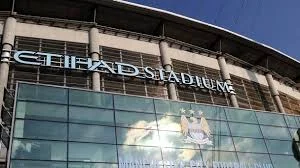
Located strategically between the Etihad Stadium and the newly built 23,500-capacity Co-op Live arena, the hotel, known as the Medlock, aims to serve not just football fans but also concertgoers and business travelers. This collaboration between Manchester City and Radisson Hotel Group positions the hotel as a central element of the club's broader vision for the campus. The allure of having rooms with views of the stadium pitch sets a tone that attracts not only sports enthusiasts but also a diverse clientele interested in leisure or business events.
Several rooms offer views of the stadium pitch and can be configured as hospitality suites during matches. The integration of the hotel within the campus allows it to provide a unique experience tailored to various events. Additionally, the hotel connects to numerous conference and event spaces available on campus, including a 3,000-capacity fanzone in Medlock Square. Here’s the thing: this isn’t just about overnight stays; it’s about creating a vibrant ecosystem that keeps people on-site and engaged, even when no matches are being played.
Broader Development Plans
The comprehensive £300 million project features plans for 7,000 new seats in the North Stand, raising the Etihad's capacity to over 60,000. Such an increase is not merely an upgrade; it’s a response to growing demand, driven partly by Manchester City’s recent successes. The additional amenities—including a new museum, an expanded team shop, dining options, office spaces, and a roof walk—represent a significant investment in embedding the club deeper into the local community while maximizing visitor engagement year-round.
What’s noteworthy here is the Co-op Live arena. This venue, developed in collaboration with City Football Group and Oak View Group, will help maintain a steady flow of visitors, enriching the site's overall appeal even when there are no matches. It's designed to cater to various events, which broadens the appeal of the Etihad Campus beyond just sports, tapping into the lucrative market of live entertainment.
Financial Agreements and Future Outlook
City Football Group's COO, Roel de Vries, emphasized the project’s aim to create a vibrant, year-round entertainment destination rather than merely expanding the stadium’s footprint. This is more significant than it looks, as it reflects a well-thought-out strategy that interlinks the club’s sporting ambitions with its commercial ones. The hotel's opening coincides with Manchester City's ongoing Champions League campaign and follows substantial summer investments totaling around £458 million in player acquisitions. With high-profile signings like Elliot Anderson and Enzo Fernández, the team is clearly anticipating a bright future both on the pitch and in the boardroom.
Additionally, this expansion prompts a review of the financial agreements with the Manchester City Council, which owns and leases the stadium. New terms reflecting the increased revenue potential of the area have recently been approved, and this strategic move points to how clubs are learning to optimize their assets. This shift likely benefits both the club and the city, potentially enhancing community relations as well.
Implications for Local Economy and Community
The success of this project isn’t just measured by the structures that arise from it; it’s also about the people they employ and the businesses they support. This development is expected to generate about 2,600 jobs in the local economy. For residents and local businesses, the increased footfall can stimulate economic growth, which adds another layer of value to the project. If you’re working in this space, the implications of such development extend beyond just financial gain; they encompass the social fabric of the community—creating spaces where people gather and interact.
And yet, this expansion does raise questions. With the club investing substantial resources, the pressures to maintain or exceed expectations in performance on the pitch will intensify. There's a fine line between commercial success and sporting failure. A significant proportion of the public’s attention will be on Manchester City not just as a football club but as a corporate entity operating multifaceted business ventures. This transformation into an all-encompassing entertainment and commercial hub presents an interesting case study on modern sports management.
Ultimately, Manchester City’s commitment to transforming the Etihad Campus illustrates a forward-thinking mentality that blends sports, entertainment, and community engagement. This is a trend that other clubs may want to watch closely as they consider their future development plans. Are they just about the sport, or could they become more, much more?
For further inquiries, reach out to Harry Ewing at [email protected].
Discussion
Sign in to join the discussion.