The original 'This Is Anfield' sign from 1972 sold for £115,000, showcasing its immense significance in Liverpool FC's legacy.
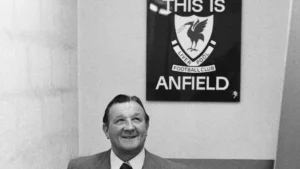
Historic Sale Highlights Anfield's Legacy
The iconic 'This Is Anfield' sign, first introduced by Bill Shankly in 1972, has garnered significant attention after being auctioned for £115,000, a staggering amount that surpassed its £15,000 guide price by more than seven times. This isn't just a collector's item; it's a crucial piece of football history that speaks volumes about Liverpool FC's culture and the emotional weight carried by its symbols. Fans don't merely view it as a sign; they see it as a testament to the club's storied past and enduring spirit.
Journey of the Sign
This historic sign originally hung in the Anfield tunnel and was one of three versions created over the years. It remained in place until it was removed after the 1979 season. Following its removal, the sign took a rather unusual journey. It was gifted to youth player Ron Wilson by Boot Room member Roy Evans, who later showcased it in his Isle of Man B&B, the Rutland Hotel, until 2000. After a stint in storage and an office, the family made the decision to sell it. It's interesting how such an emblem can drift through time and different locales, accumulating stories of its own as it transitions from a stadium fixture to a beloved artifact tucked away in private establishments. This meandering history only adds layers to its significance as a cherished piece of Liverpool lore.
A New Chapter for the Sign
Purchased by the ARC Hotel, the acquisition marks a significant moment in the preservation of Liverpool FC history. The hotel shared their excitement on Instagram, stating, “We are incredibly proud to announce that we are now the custodians of the original 1972 'This Is Anfield' sign — the very first sign introduced at Anfield during the Bill Shankly era.” This passion for preservation denotes more than just ownership; it indicates a commitment to keeping the spirit of Liverpool alive for future generations. After all, a place like Anfield is saturated with tradition, and the sign serves as a portal connecting fans to the monumental figures and moments that have shaped the club's identity.
Symbolism and Heritage
Shankly's vision for the sign was profound; he saw it as a reminder for players of their allegiances and for opponents of the formidable challenge they faced. This was not merely decorative; it was a psychological tool, a way of instilling a sense of belonging and urgency. After thorough investigation, auctioneers confirmed the sign’s authenticity by identifying distinct imperfections in its structure seen in historical photos from Alan Hansen, Kenny Dalglish, and Frank McGarvey's arrivals. The weight of this authentication can't be underestimated; it ensures that the sign remains an unblemished emblem of what it stood for during Shankly's transformative years at the club.
A Sign for the Fans
The ARC Hotel emphasized their commitment to ensuring that the sign remains a part of Liverpool's community. They stated, “This is not simply a sign. This is a piece of Liverpool Football Club history.” The hotel extended an invitation to fans from near and far: “We want to welcome every Red — young and old — to come and see it, stand beneath it, and remember what it represents.” This move is more than a marketing effort; it's an open door to the fanbase, emphasizing the importance of community and heritage. Fans often idolize such artifacts, and giving them free access to historically rich pieces like this sign fosters a deeper connection between the club and its supporters. (And this is the part most people overlook: memorabilia like this isn't merely about nostalgia; it's about identity.)
Implications and Future Outlook
The purchase of the sign by the ARC Hotel may mark a watershed moment for memorabilia preservation in football and beyond. Just as cricket and rugby clubs have made significant efforts to cultivate a living history, football clubs are starting to realize the importance of their artifacts. This trend might spur similar acquisitions, where hotels or local businesses step up to safeguard pivotal pieces of sports history. Collectively, these efforts can function as living museums that keep the pulse of their cities alive, fostering a culture of engagement that stretches beyond match days. If you're working in this space, you might want to consider how objects like this can amplify local narratives and motivate fan connection.
Ultimately, the sale of the Anfield sign is a vivid testament to not just a club's legacy but also the collective memories and emotions tied to it. The club's narrative thread isn't merely about trophies or players but extends to these symbols that resonate with past and present. It's a moment that deserves to be cherished by all who call themselves supporters of Liverpool FC.
For further inquiries, contact Nick Webster at [email protected]
Discussion
Sign in to join the discussion.