Deco explains FC Barcelona's preference for Anthony Gordon over Marcus Rashford, emphasizing the need for intensity in the squad.
Strategic Decision-Making in Transfers
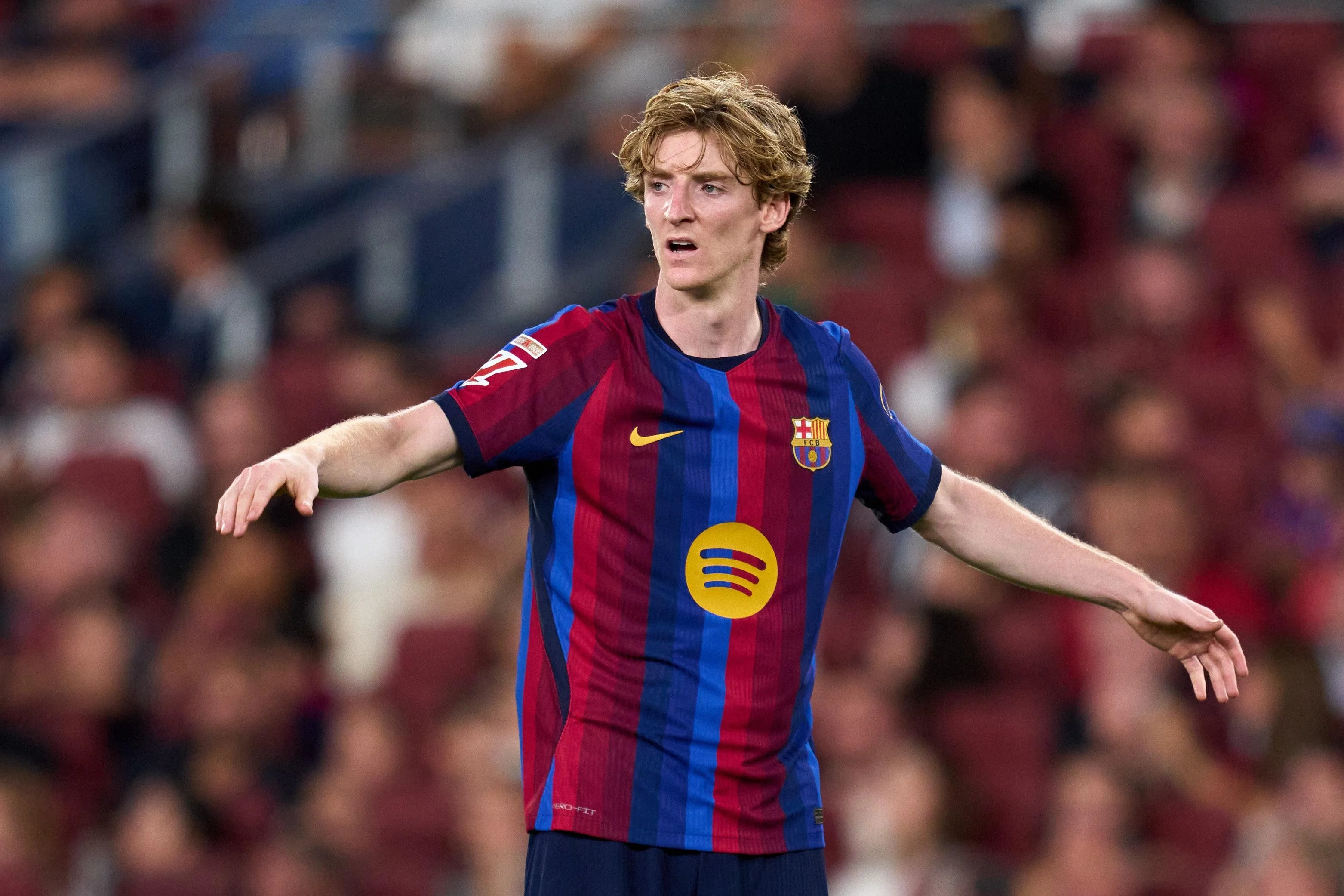
FC Barcelona's recent acquisition of Anthony Gordon has sparked discussions about the club's shifting priorities in the transfer market. Instead of pursuing a permanent deal for Marcus Rashford, who had been on loan, Barcelona chose to invest in Gordon, indicating a long-term vision under the guidance of Hansi Flick. This decision encapsulates the broader strategy the club is adopting as it moves away from reliance on individual stars towards fostering a cohesive team dynamic.
Barcelona's management has faced scrutiny in recent years regarding its transfer strategy. Under previous regimes, marquee signings sometimes overshadowed the need for balance within the squad. By focusing on players like Gordon—who not only brings talent but also fits within a strategic tactical framework—it seems the club is shifting toward a model that prioritizes synergy over star power.
Deco's Insight into Team Dynamics
In a recent interview with RAC1, Deco, a pivotal figure in the club's recruitment process, explained the rationale behind this decision. He pointed out the analysis that guides their choices, emphasizing the need for not just skill but also the right energy within the squad. Deco commented, “We assess every training session and analyze every detail.” This approach represents a shift toward data-driven decision-making that has become prevalent in football management, where understanding player fit and chemistry is often as important as raw talent.
This isn't just about statistics—it's about the pulse of the team. Last season, the absence of Raphinha led to a noticeable decline in the squad's energy levels, highlighting just how crucial specific player attributes are to the club’s success. Deco's comments reveal an awareness of not just who could perform on the pitch but who could uplift the team psychologically. It suggests that Barcelona is looking for players who can change the atmosphere, not just move the ball.
The Challenges of Premier League Talent
“Finding a winger from the Premier League presents its own challenges, but [Flick] was precise in his vision, and we executed a plan accordingly.”
Identifying and securing talent from the Premier League can often be fraught with complications. The English league is known for its financial muscle, and clubs are often unwilling to part with key players unless exorbitant fees are offered. This context emphasizes the significance of Barcelona's choice. The club's leadership clearly believes in Gordon's potential to thrive at Camp Nou, even demonstrating patience in navigating the complex landscape of player transfers. You can be sure other top clubs will be watching this closely.
The Wait for Gordon to Shine
Despite the challenges and potential distractions during the transfer process, Gordon’s early performance in La Liga has impressed many. In his first few matches, he’s already contributed four assists, showcasing his quick integration into the team and the tactical setup that Flick has implemented. With a fanbase that’s often hard to win over, Gordon seems to be doing just that at lightning speed, which could make all the difference as the season unfolds.
His ability to adapt quickly will be pivotal not just for his own career but for how Barcelona intends to shape its tactical strategies moving forward. The hope is that Gordon can bring a relentless energy to the attack—something that has been missing without Raphinha. It indicates a shift away from the path of merely creating opportunities to emphasizing finishing them. If you’re working in this space, the immediate results are hard to ignore, positioning Gordon as a key element in Barcelona's offensive strategies as the season progresses.
Implications for Barcelona's Future
The ramifications of this transfer go beyond just Gordon's individual performance. His success could redefine how the club approaches future recruitment. If Barcelona can successfully integrate younger, energetic players into their fold, it may lead to a sustainable model for revitalizing the squad. That said, this requires a reliable scouting system and a keen understanding of player dynamics—ingredients that some analysts believe had been missing in recent years.
For Barcelona, cultivating a positive environment that encourages growth and synergy could be the answer to restoring its former glory. While it’s tempting to think only in terms of individual brilliance like that of Lionel Messi or Ronaldinho, the new strategy favors collective efficacy. It’s about creating a framework that supports every player to thrive, ultimately benefitting the team as a whole.
This transitional phase is significant. The club's success or failure will undoubtedly influence its stature in European football over the next several seasons. As teams across the continent recalibrate their strategies in reaction to financial pressures and competitive dynamics, where Barcelona lands in this mix will be something to watch closely.
Discussion
Sign in to join the discussion.