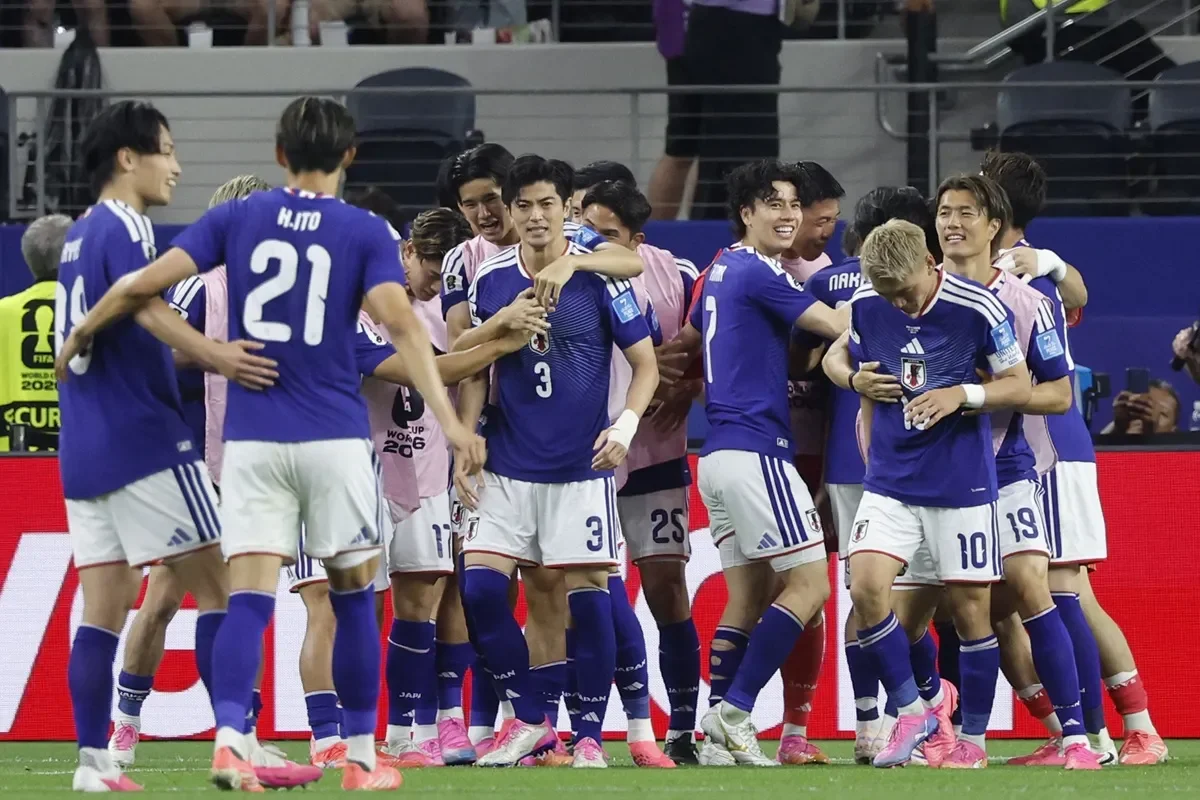
Japan tops the rankings as the most valuable national team in Asia, with South Korea also standing out, illustrating the region's growing football investment.
While Asia hasn't historically dominated world football—marked by the absence of a World Cup winner from the continent—the landscape is gradually shifting. With emerging talent and the upcoming participation of nine Asian teams in the 2026 World Cup, we may witness a notable transformation in Asian football's competitive edge.
Japan asserts its position as the leading force in Asian football, claiming four Asian Cup titles and maintaining a dominant market value. However, the competition remains fierce, particularly from neighboring South Korea.
Top 10 Most Valuable National Teams in Asia
According to recent assessments, Japan and South Korea are at the forefront of national team valuations in Asia, showcasing the increasing investment in football across the region. Below is a table reflecting the current market values of the top ten national teams as reported in GBP.
| # | Country | Market Value |
|---|---|---|
| 1 | Japan | £266.9m |
| 2 | South Korea | £108.2m |
| 3 | Uzbekistan | £70.7m |
| 4 | Australia | £52.6m |
| 5 | Saudi Arabia | £30.0m |
| 6 | United Arab Emirates | £24.7m |
| 7 | Iran | £21.7m |
| 8 | Indonesia | £18.6m |
| 9 | Jordan | £18.0m |
| 10 | Qatar | £17.2m |
Market values reflect the economic potential and appeal of national teams, greatly influenced by player performance, club engagements, and historical successes.
Detailed Insights on Each Team
1. Japan (£266.9m)
Japan leads the pack with a remarkable valuation. The team has been consistent in its World Cup appearances, qualifying for eight consecutive tournaments. Despite a best finish in the round of 16, they remain the most celebrated team in the Asian Cup history with four titles. Their key asset, Kaishu Sano, matches the highest valuation for an Asian player at £43.0m, demonstrating the team's excellent scouting and development processes.
2. South Korea (£108.2m)
South Korea is the first Asian team to surpass the £100 million mark in valuation. The nation boasts the most appearances in the World Cup, having qualified 12 times and finishing fourth as co-host in 2002. With two Asian Cup trophies to their name, South Korea continues to nurture talent like Lee Kang-in, whose recent move to Atletico Madrid is a testament to his growing stature in the sport.
3. Uzbekistan (£70.7m)
Uzbekistan, with a market value of £70.7m, made a notable debut in the 2026 World Cup but did not advance past the group stage. The team holds significant potential, showcasing young stars like Abdukodir Khusanov, who is regarded as one of the most valuable players in Asia.
4. Australia (£52.6m)
Australia's national team has maintained an impressive valuation, reflecting its performance on the international stage, particularly at World Cup 2026, where they progressed past the group stage. The Socceroos won the Asian Cup in 2015, cementing their status in the region. Their highest-valued player, Alessandro Circati, has become a cornerstone for both club and national sides.
5. Saudi Arabia (£30.0m)
Saudi Arabia's football heritage is significant, having participated in numerous World Cup tournaments and claiming the Asian Cup three times. Their latest valuation stands at £30 million, backed by players like Saud Abdulhamid, showcasing their competitive spirit on the field.
6. United Arab Emirates (£24.7m)
With a valuation of £24.7 million, the UAE's team remains competitive but has faced challenges in major tournaments, including the World Cup stage. Although they lost in the 1996 Asian Cup final, the team's ambition continues to thrive.
7. Iran (£21.7m)
Iran, valued at £21.7 million, has a storied history in Asian football, with three Asian Cup victories and consistent participation in World Cups. Their player Sardar Azmoun shines within the squad, further elevating their profile.
8. Indonesia (£18.6m)
Indonesia's market value of £18.6 million marks a period of potential growth. Although they have yet to claim an Asian Cup title or make a recent World Cup appearance, efforts are being made to elevate their football stature.
9. Jordan (£18.0m)
Jordan holds a valuation of £18 million, having reached the finals in the 2023 Asian Cup but without a championship win. Their player Mousa Al-Tamari has emerged as a standout talent, adding to their development vision.
10. Qatar (£17.2m)
Rounding out the list, Qatar’s valuation stands at £17.2 million. Despite being recent Asian Cup winners, they face resource challenges. Their key player, Akram Afif, plays a pivotal role on and off the field, representing their aspirations for improvement.
The increasing valuations of these national teams reflect not just footballing prowess but also a broader economic and developmental trend within Asian football. As the 2026 World Cup approaches, it'll be interesting to see how investments and performances shape the future of the sport in this dynamic region.
Discussion
Sign in to join the discussion.