Valuing Europe's Top Football Nations: Insights into Talent and Market Dynamics
Published Sep 23, 2026Reads 354By Lewis Blain
Explore the rising market values of European football nations, highlighting the financial power behind top teams and emerging talents.
European Football's Elite Talent and Valuations
When we consider football, Europe is hard to ignore. It's a hotbed of skill, history, and competitive spirit. The continent hosts some of the most prestigious leagues and national teams in the world, which consistently dominate international tournaments. Powerhouses like France, Spain, England, and Germany have a long-standing reputation for producing world-class talent, and this was especially evident during the recent international competitions. As these nations field squads valued well into the hundreds of millions, they reflect both their rich football heritage and their economic weight within the sport.
Yet, let’s not overlook the emerging voices. Countries like Norway and Belgium, often secondary mentions, are beginning to break through the mainstream. Their increased market value isn't just a fluke; it's a testament to their investment in youth development and an evolving footballing philosophy. Norway's incredible surge in talent—from Erling Haaland's clinical finishing to Martin Ødegaard's playmaking skills—has put them on the map. Belgium, once tagged as a “golden generation,” continues to add depth with younger players stepping up as established stars retire. Their recent performances in tournaments, like the quarter-finals run at the World Cup, serve as proof that the competitive depth in European football is widening.
Insights from Player Valuation
Player valuation provides revealing insights into the potential strengths and weaknesses of national teams. The discrepancies in value can illustrate areas of development, particularly regarding the youth pipeline. Typically, younger players stand out due to their market potential; scouts and clubs see them as future superstars, leading to inflated valuations. This trend offers a glimpse into the next generation of talent. It raises questions on national investment in academies, development programs, and accessibility to top-level football.
Identifying these valuations isn’t just about bragging rights—it correlates directly to a nation's football future. National teams with a high overall market value, as indicated by platforms like Transfermarkt, suggest a strong talent base and a better chance of success on the international stage. It points to strategic planning within football associations, implying they recognize the necessity of nurturing young players rather than relying solely on existing established stars.
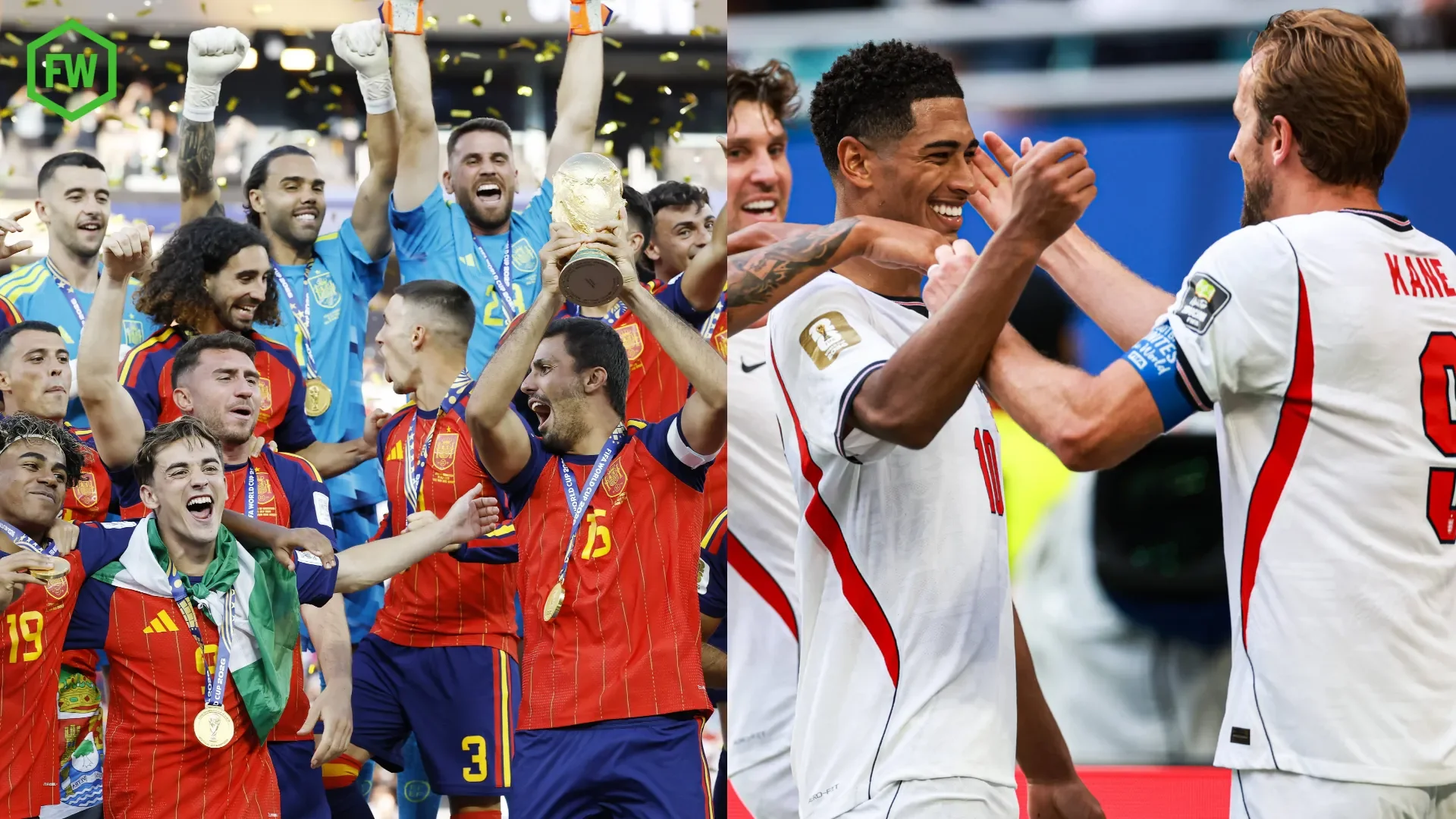
For instance, take Spain’s Current success as a historical reference point: their grassroots development programs have yielded continuous streams of technically endowed players. Their victory in the recent 2026 World Cup underscores the power of investment in youth, which bodes well for their footballing future. This pattern is one that other nations are emulating or competing against.
Understanding Market Dynamics
The analysis conducted by FootballWhispers offers a stark representation of the financial powerhouses in European football today. While iconic clubs like FC Barcelona or Manchester United historically commanded significant financial influence, national teams are now emerging with standings that rival even club valuations. The ten most valuable national teams report figures that can reshape club strategies, particularly in how clubs scout and acquire talents.
You might think the financial implications of these valuations are merely abstract numbers. But there's a chain reaction they set off that affects everything from broadcasting rights to sponsorship deals, boosting national football federations' revenues. Higher-valued teams can command more lucrative deals and name sponsors willing to invest, which in turn enhances their ability to invest back into youth programs, facilities, and talent recruitment initiatives. Football is, after all, a cyclical game.
The data, derived from such a sizable pool of player information, inevitably leads to comparisons among nations. When examining the list of the top ten most valuable national teams, you see just how steep the financial competition is. Traditional giants face the pressing challenge of maintaining their status amidst rising competitors like Norway and Belgium. What this means for you—as a fan, a player, or an industry stakeholder—is that the era of complacency is over.
Implications and Future Outlook
The implications these evaluations have on the future of European football are profound. For clubs, investing in international talents, scouting networks, and youth development programs isn’t just advisable—it's essential. If you’re working in this space, you understand that talent is increasingly democratized. Smaller nations are producing top-tier players who challenge the long-standing hierarchies embedded in European football.
Moreover, teams should prepare for changing dynamics. With up-and-coming nations like Norway and Belgium showcasing exceptional talent, traditional powerhouses may find themselves in a more competitive environment than before. The emerging players can absorb lessons from their predecessors, but they also bring fresh perspectives and styles that can disrupt established norms. As they enter the global stage, the football narrative will shift accordingly.
This is more significant than it looks. As smaller nations rise, their football federations gain not only stature but also influence. The ripple effect can lead to increased participation in international tournaments, enhanced global viewership, and a broader fanbase.
In the end, European football is not just about trophies anymore; it's about economic sustainability, talent cultivation, and strategic positioning in an interconnected world. The continuous fluctuation of player valuations will likely be a bellwether for wider trends in the sport, including the shifting power dynamics from one nation to another. What’s clear is that the future of European football looks not only increasingly competitive but also more inclusive. In the new paradigm, everyone will have their eyes peeled for the next big player—not just the ones from the traditional powerhouses.
Discussion
Sign in to join the discussion.